My Last Fck Sarcastic Skeleton PNG: Edgy Design Asset for Creators
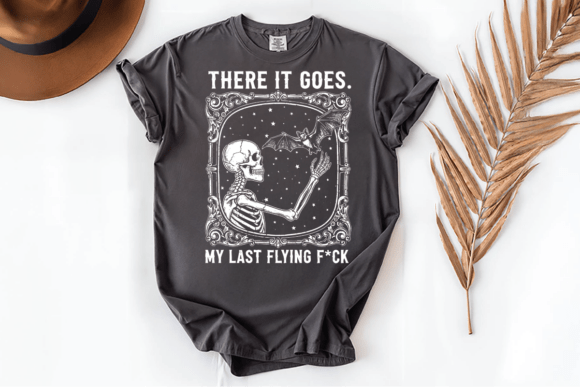
If you’ve spent any time browsing design assets for apparel, stickers, or social media graphics, you’ve likely come across the My Last F ck Sarcastic Skeleton PNG. It’s one of those visual shortcuts that communicates a mood instantly—dry humor, mild exasperation, and a healthy dose of irreverence. The skeleton itself usually appears in a relaxed or cheeky pose, often accompanied by the blunt phrase that gives the file its name. The overall style leans toward grunge-tinged illustration with clean enough lines to work across multiple formats. It’s not trying to be subtle, and that’s precisely the point.
What makes this particular PNG stand out is the balance between detail and usability. The skeleton is rendered with enough personality to feel custom—maybe a slightly tilted skull, a hand gesture, or a slumped posture—but remains simple enough to hold up when printed small or placed on a busy background. The sarcastic expression is conveyed through the combination of pose and text, making it a complete statement rather than just an image you’d need to caption yourself. For designers, that means less tweaking. For small business owners, it means a ready-to-use asset that already carries the emotional weight.
The visual personality here is unapologetically direct. It works best for audiences who appreciate dark humor or blunt honesty. Think late-night content, alternative apparel, or any brand that positions itself as the “I don’t care” counterpoint to polished positivity. The style fits comfortably alongside modern vector work, hand-drawn aesthetics, and even some streetwear-inspired looks. It’s not a serif font or a script font situation—it’s a graphic that brings its own typographic and illustrative energy in one package.
Real Projects Where This Graphic Shines
The My Last F ck Sarcastic Skeleton PNG isn’t a one-trick pony. While it clearly targets a specific vibe, that vibe translates across a surprising number of product categories. Here are the areas where it performs best based on actual use cases I’ve seen among designers and print-on-demand sellers:
- T-shirt and apparel designs – The most obvious fit. The skeleton graphic works as a centerpiece print or a smaller chest logo. On a black or dark tee, the contrast pops. On a lighter shirt, the grunge-style linework stays visible without getting muddy.
- Stickers and decals – Because it’s a single PNG with a transparent background (assuming the file is properly isolated), it layers easily onto sticker sheets or individual die-cut shapes. Sarcastic stickers sell well on platforms like Etsy and Redbubble.
- Mugs and tumblers – The graphic’s boldness means it reads well on curved surfaces. A skeleton with that phrase wrapped around a coffee mug is practically a meme waiting to happen.
- Phone cases and bags – For customers who want their accessories to make a statement, this design hits the mark. It’s edgy without being offensive to most adult audiences.
- Cards and frame art – Birthday cards, “sorry not sorry” notes, or just wall art for a home office or garage. The sarcastic tone fits greeting card categories that standard sweet sentiments miss.
- Print-on-demand products – If you’re using platforms like Printful, Printify, or Amazon Merch, this PNG is ready to upload as-is or after minor resizing. The single-file format keeps your workflow fast.
One thing I’ve observed: the graphic tends to outperform in niches where humor and honesty are valued over polish. Gaming channels, tattoo culture, automotive enthusiasts, and certain fitness subcultures all respond well to this kind of direct visual language. If your audience leans toward sarcasm as a love language, this is an easy addition to your design toolkit.
How the Graphic Influences Perception and Engagement
Every design asset communicates something before the viewer reads a single word. The My Last F ck Sarcastic Skeleton PNG communicates that your brand or product doesn’t take itself too seriously—but still knows exactly what it wants to say. That paradoxical mix of carelessness and intentionality is rare in commercial graphics. Most assets either lean fully professional or fully silly. This one lands somewhere in the middle, which gives it more range than you might expect.
From a brand identity standpoint, using this graphic signals a few things to your audience:
- You understand their humor – The sarcasm isn’t explained or softened. It’s presented as a shared joke.
- You’re not afraid to be blunt – This builds trust with audiences tired of overly curated marketing.
- You value personality over perfection – That can be a strong differentiator in saturated categories like apparel or accessories.
When it comes to visual hierarchy, this PNG works as a hero element. You don’t need to surround it with much else. A simple background, maybe a sharp sans serif font for secondary text, and you’ve got a layout that reads clearly at a glance. The graphic already contains both image and text, so it reduces the number of design decisions you need to make. That’s practical value for anyone running multiple product listings or social media posts at scale.
For social media graphics, the sarcastic skeleton performs well in square format for Instagram, as a reaction image in stories, or as a pinned tweet visual. Its high-contrast nature means it doesn’t get lost in feeds filled with pastels and stock photography. If you’re a content creator looking for a visual that stops the scroll, this delivers without needing a clever caption—the graphic is the caption.
Practical Guidance for Choosing and Using This Asset
Before you drop the My Last F ck Sarcastic Skeleton PNG into your next project, take a minute to evaluate fit and execution. Here’s a straightforward checklist I use when incorporating single-file graphics into commercial work:
- Check the file format and resolution. The ZIP folder includes one PNG file. Make sure the resolution is high enough for your intended output size. For apparel, aim for at least 300 DPI at the print size. For digital use, 72 DPI is usually fine, but you still want a pixel dimension that won’t look blocky on a large screen.
- Confirm the background transparency. A clean PNG with no background remnants saves hours of cutting out later. Test it against a dark and light background in your design software to spot any white fringing or rough edges.
- Evaluate color compatibility. The skeleton graphic likely uses black or dark gray linework. That works with almost any background color, but if you’re placing it on a dark design, consider reversing it to white or using a stroke effect to maintain contrast.
- Test your font pairing. If you add text around the graphic, keep it simple. A sans serif font like Montserrat, Bebas Neue, or even a clean handwritten font can complement the skeleton without competing. Avoid script fonts that feel too elegant—they clash with the blunt tone. For headers or taglines, a display font with weight and attitude works best.
- Review the licensing terms. The included terms allow commercial use in printed products, print-on-demand items, and digitally finished designs that you’ve modified and made original. You cannot resell the PNG as-is, distribute it in its raw format, or offer it as a freebie. That’s fair and standard—just make sure your use case qualifies as a finished product rather than a redistribution of the asset itself.
I’ve seen designers get tripped up by the fine print on graphics like this. The key distinction is whether you’re using the PNG as a component of a larger design (allowed) or selling it standalone (not allowed). For t-shirts, mugs, stickers, and cards, you’re squarely in the permitted zone. For digital templates where the graphic remains the primary selling point, you’d want to transform it significantly or choose a different license.
Readability, Placement, and Real-World Results
One practical consideration that doesn’t get enough attention: where you place the graphic on a product affects how people read it. The sarcastic phrase is part of the visual, so if you put it too low on a t-shirt or too close to the edge of a mug, part of the text may get cut off or distorted. Always mock up your design at actual size before finalizing. Print-on-demand mockup generators are useful, but I still recommend ordering a single sample if you’re launching a product line around this asset. Seeing the skeleton at real-world scale tells you whether the line thickness, text size, and overall composition hold up.
For editorial design or blog graphics, the PNG can serve as a section header visual or a pull-quote companion. Place it near content that matches its tone—think “unpopular opinions” columns, humorous listicles, or opinion pieces. It adds a visual anchor that reinforces the writing style without needing custom illustration. For web design, use it sparingly. One sarcastic skeleton on a landing page can be a memorable touch. Four on the same page starts to feel like a decorative crutch.
Another smart use: brand merchandise for a podcast or YouTube channel with an edgy host. The skeleton graphic becomes instant merch that feels authentic to the channel’s voice. Fans buy it because it represents the inside joke they already share. That’s the kind of audience engagement that feels earned rather than forced.
If you’re running a small business and your brand voice allows for irreverence, consider using the graphic in limited-time collections or seasonal drops. A “zero f*cks given” drop around the holidays or during a stressful sales period can resonate with customers who are tired of the usual upbeat messaging. The contrast alone can boost click-through rates.
Making the Asset Work Within a Broader Brand System
A single PNG can be powerful, but it works best when you treat it as part of a larger visual ecosystem. If you’re building a brand identity around sarcastic or alternative themes, pair the My Last F ck Sarcastic Skeleton PNG with a consistent color palette and a complementary typeface. For example, a muted olive or charcoal background with a bold sans serif font for navigation text creates a cohesive look. Add a handwritten font for accent quotes, and you’ve got a system that feels intentional rather than thrown together.
In terms of modern typography, don’t overcomplicate the pairing. The skeleton already carries strong personality, so let the text elements around it be clean and supportive. Avoid serif fonts unless you’re going for a specific contrast between old-school elegance and crude humor. That can work, but it’s a more advanced move that requires careful spacing and sizing.
If you’re designing for clients who want a sarcastic edge but don’t know how to articulate it, this PNG is a useful reference point. Show it to them and ask: “Is this the general tone?” Nine times out of ten, they’ll either love it immediately or realize they want something different. Either way, it moves the conversation forward faster than abstract mood boards.
Finally, always leave a review if the product works well for you. Sellers of design assets rely on feedback to improve their offerings, and future buyers benefit from seeing real use cases. The My Last F ck Sarcastic Skeleton PNG is a niche but effective tool—when it fits your project, it fits perfectly. When it doesn’t, you’ll know quickly, and that clarity alone is worth something.